Small Actions Can Make a Big Difference
October is Domestic Violence Action Month (DVAM), a time to come together to support survivors and build safer communities.
Most of us know someone who has experienced domestic violence, whether we realize it or not. And when someone we care about is in an abusive relationship, it can be hard to know what to say or do.
You don’t have to have all the answers to make a difference. Sometimes, the most important thing you can do is ask how someone is doing, listen without judgment, and remind them they’re not alone.
This DVAM, here are three ways you can take action:
- Share resources and start conversations in your community
- Learn how to support someone experiencing abuse
- Join a conversation about preventing domestic violence
How to Help Someone Experiencing Abuse
What would you do if a friend told you they weren’t safe in their relationship?
You might worry about saying the wrong thing, or feel frustrated when someone you care about stays in a relationship that’s hurting them. But you don’t have to fix everything to be there for someone.
Start by listening, believing them, and respecting their choices. Let them know you care and that they can come to you without judgment.
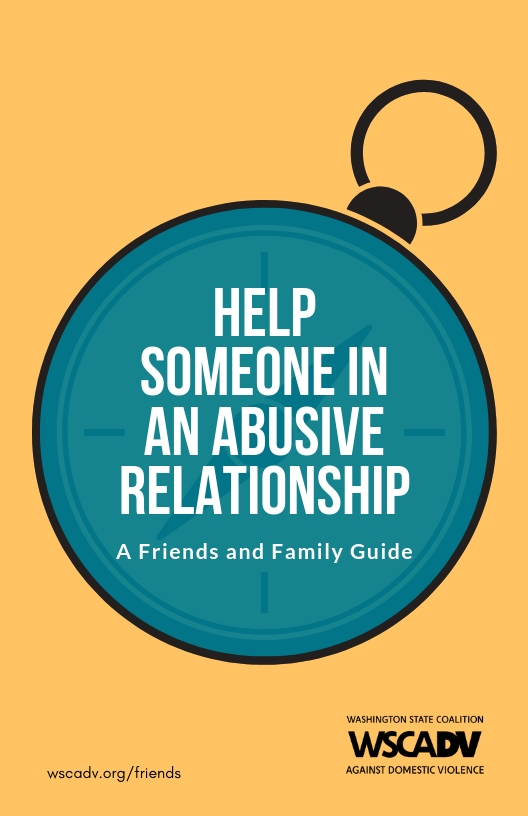
Our Friends and Family Guide offers practical tips for supporting someone experiencing domestic violence. Available in Spanish, too.
Learn and Connect
Preventing domestic violence takes all of us. This October, join advocates, community members, and prevention leaders to explore how we can work together to build safer, healthier communities.
October 20, 2026 | 11:00 a.m.–12:30 p.m.
Creating a Shared Vision of Well-Being: Creating Buy-In and Mobilization Around Prevention
Start a Conversation. Share What You Know.
You don’t need to be an expert to make a difference. Talking openly about relationships, checking in on the people you care about, and sharing information about where to find help can all make our communities safer.
Here are a few ways to start:
- Check in with someone you care about. Ask how they’re doing and make space for an honest answer.
- Share something useful. Send our Friends and Family Guide to a friend, family member, or someone in your community.
- Know where to find help. Explore our directory of domestic violence programs in Washington, or contact the National Domestic Violence Hotline at 1-800-799-7233, thehotline.org, or text START to 88788.
- Help spread the word. Share the Coalition’s DVAM posts with your community or use our graphics to start a conversation of your own.
Looking for something to share? Feel free to use the social media graphics below, tag @wscadv, or share your own message about supporting survivors.